October 22, 2026
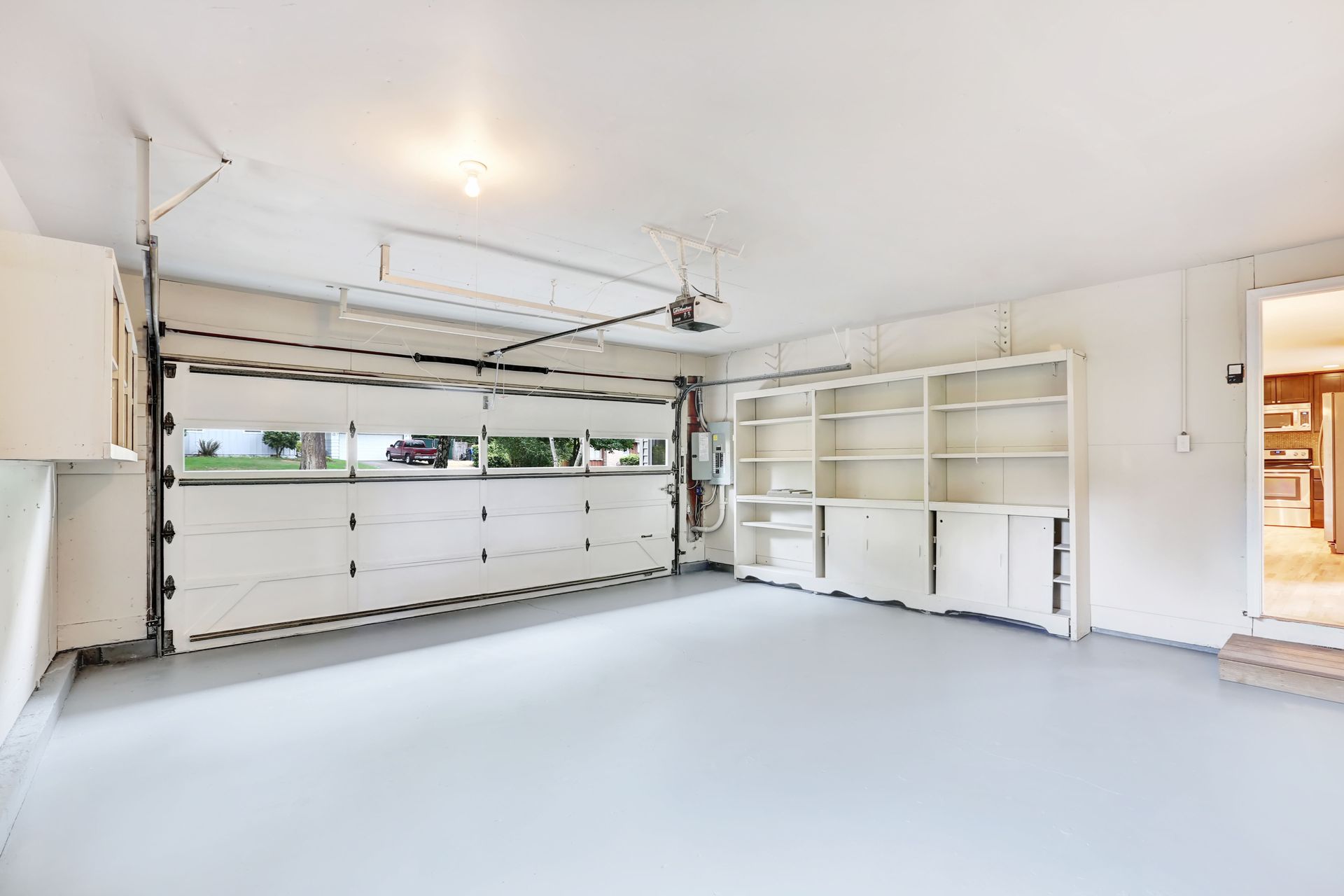
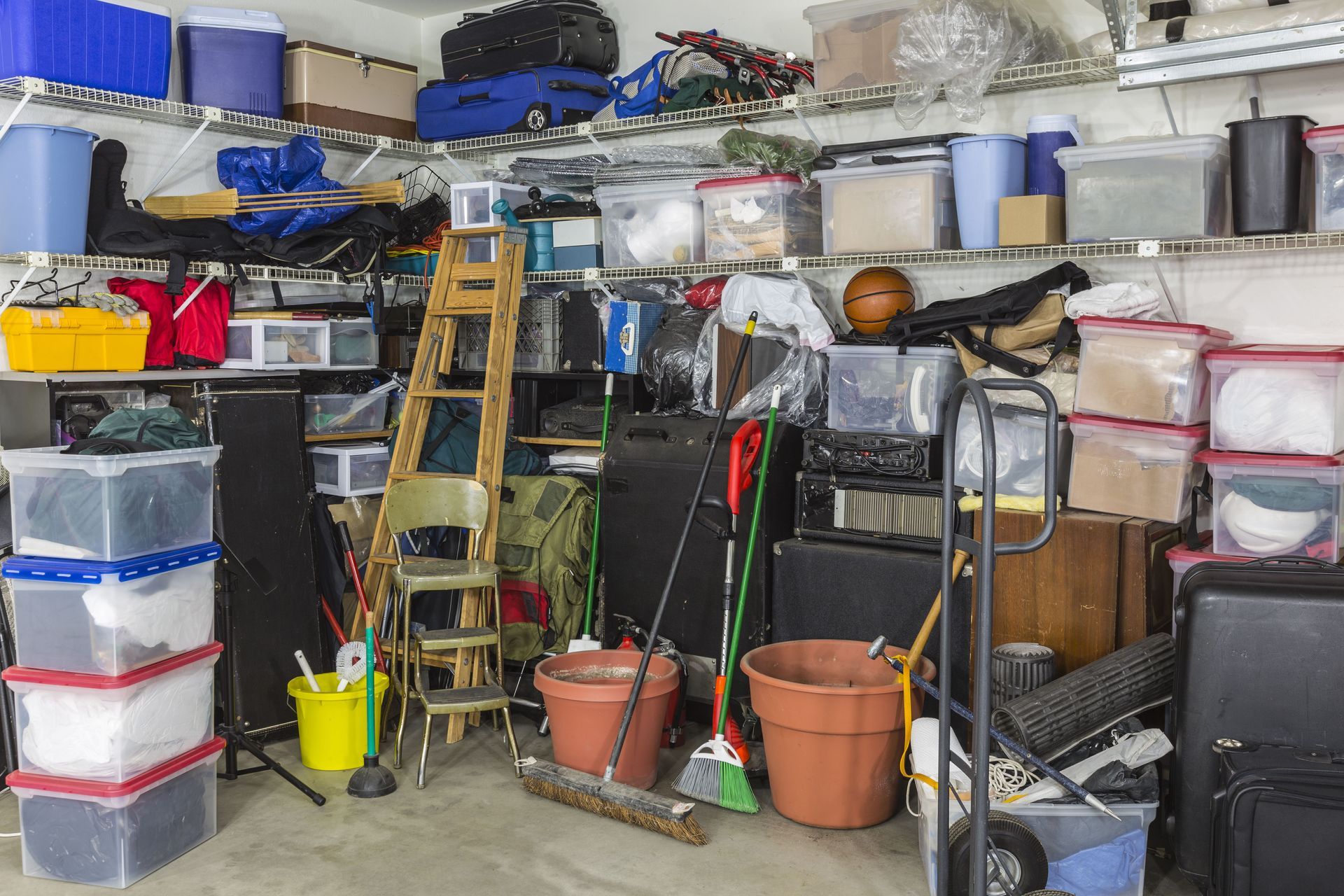
An upper wall garage cabinet transforms a cluttered area into a streamlined, highly functional system. Utilizing vertical storage frees up valuable floor space, enhances safety, and simplifies routine maintenance. Reclaiming your floor plan starts with choosing the right structures and installing them securely to support long-term organization. Modern cabinetry options also provide exceptional durability against harsh environmental factors like moisture and temperature swings. By elevating heavy equipment and hazardous materials, you establish a safer, more accessible workshop environment for the entire family.
Assessing Your Current Garage Storage Needs
Evaluating existing items allows homeowners to determine exact cabinet sizes and load capacities before purchasing storage units. Taking inventory highlights which equipment requires daily access and which items belong in long-term storage. Grouping tools, seasonal decorations, and lawn supplies clarifies how much space you need above the floor. According to This Old House, two-thirds of U.S. households with two-car garages only store one car in their garage, leaving plenty of space for storage. Utilizing an upper wall garage cabinet maximizes vertical space, allowing homeowners to park vehicles inside again while securing equipment safely.
Beyond categorizing items, assessing personal workflow habits ensures the cabinet setup remains functional over time. Frequently used items should rest on lower interior shelves, whereas rarely used seasonal goods belong on higher shelves. Integrating specialized dividers or hanging hooks below the main unit creates additional storage points for light tools and cords. Engaging all household members in this inventory process ensures the final layout meets everyone's practical requirements while preventing future disarray.
Taking a comprehensive inventory also prevents double-purchasing tools or hardware that often get lost in loose piles. When items have designated vertical locations, visual clutter decreases, making it easier to keep track of stored equipment. Assigning specific shelf sections to distinct categories, such as automotive fluids, power tools, or sporting equipment, streamlines daily tasks. This systematic evaluation forms the bedrock of an efficient garage structure.
Selecting Materials and Sizing Options
Choosing durable materials for an upper wall garage cabinet guarantees performance against heavyweight, humidity, and temperature fluctuations. Heavy-duty steel units withstand significant loads like heavy machinery, automotive parts, and power tools without bending. Engineered wood, plywood, or composite materials offer attractive finishes for lighter equipment and general household storage needs. Evaluating cabinet depths and overall door clearance ensures installed units will not obstruct vehicle parking, walkway navigation, or garage door tracks.
Evaluating door designs plays a critical role in tight garage environments. Traditional hinged doors allow full visual access to internal contents but demand ample front clearance to swing open completely. Sliding doors slide parallel to the frame, making them ideal for narrow garages or wall spaces located close to parked vehicles. Selecting adjustable internal shelving allows custom height configurations that easily accommodate tall, odd-sized items as organizational needs evolve.
Material finish also dictates long-term maintenance requirements in non-climate-controlled spaces. Powder-coated steel surfaces resist rust, chemical spills, and scratching, preserving their appearance despite harsh conditions. Laminated composites protect against dust and light moisture while remaining easy to wipe clean. Selecting materials designed specifically for garage environments guarantees long-term durability and structural integrity.
Measuring Wall Space and Locating Studs
Preparing the wall before hanging an upper wall garage cabinet ensures structural integrity and a straightforward mounting process. Measuring total wall width, ceiling height, and clearance from outlets or switches prevents unexpected installation conflicts. Recording precise dimensions on paper helps visualize the layout while identifying potential obstructions like electrical conduits, water pipes, or garage door openers. Taking accurate measurements early guarantees the chosen cabinet fits comfortably without restricting overall space functionality.
Securing mounting brackets directly into wall studs is essential for supporting heavy cabinet loads safely over time. Utilizing a quality stud finder helps identify wooden or metal stud centers behind drywall or plaster surfaces. Marking stud centers with a pencil and confirming level alignment using a spirit level ensures balanced weight distribution across structural supports. Anchoring cabinets firmly into studs prevents sagging, wall damage, and potential falling hazards under load.
Accounting for vertical clearances below the cabinet ensures that workbench surfaces or vehicle hoods fit comfortably underneath. Standard mounting height places the bottom of upper wall units roughly 50 to 54 inches above the floor or 18 inches above a workbench top. Leaving adequate head clearance prevents accidental impacts while retrieving tools. Double-checking these spatial measurements minimizes adjustments during actual mounting steps.
Executing the Step-by-Step Cabinet Installation
Mounting an upper wall garage cabinet requires key tools like a power drill, level, measuring tape, and heavy-duty lag screws. Drilling anchor holes into the marked stud locations prevents wood splitting and ensures tight fastener engagement. Using a sturdy ledger board temporarily fastened beneath the target height provides a stable resting ledge to support the unit while securing it to the wall. This temporary support structure simplifies alignment and allows solo installers to work safely and precisely.
Once lifted onto the support ledger, verify the unit using a spirit level before driving lag screws through the cabinet backboard into the wall studs. Tighten all hardware securely without over-torquing, which can crack cabinet backing or strip structural wood fibers. Recheck level alignment, remove the temporary ledger board, and install interior shelving according to your storage plan. Testing door operation and hinge resistance confirms the structure is completely ready for immediate loading.
After mounting the main cabinet body, install shelf brackets and shelves tightly into place. Verify that each shelf rests flat and securely within its supports before placing heavy containers on them. Distribute initial weight evenly across lower shelf surfaces to establish a balanced center of gravity. Completing these installation steps carefully ensures a solid, safe storage addition to your home.
Maintaining and Organizing Cabinet Space
Sustaining an organized upper wall garage cabinet involves implementing simple labeling systems and conducting routine cleanouts. Storing heavier items on bottom shelves keeps the center of gravity low and reduces physical strain when retrieving objects. Clear plastic bins labeled by category, such as electrical, plumbing, or painting supplies, allow rapid identification without cluttering open shelves. Keeping a basic inventory list taped inside the cabinet door keeps track of smaller items instantly.
Conducting seasonal reviews prevents unwanted clutter from building up inside cabinet compartments over time. Inspecting door hinges, sliding tracks, and mounting hardware annually guarantees long-term stability and smooth operation. Wiping down surfaces prevents dust accumulation and protects finishes against high humidity or chemical spills. Systematic maintenance preserves both the original cabinet investment and the clutter-free floor space achieved through vertical storage.
Establishing regular habit loops ensures that tools return to their designated cabinet shelves immediately after use. Leaving workbench tops clear by placing supplies back into upper storage preserves an open, functional working area. Grouping complementary items together, like painting tape, brushes, and drop cloths, further accelerates home improvement projects. A well-maintained garage storage system provides lasting clarity, functionality, and convenience.
Maximizing garage storage transforms underutilized walls into efficient, accessible storage systems that restore order to your home. Implementing durable cabinets keeps tools, supplies, and equipment safely stored off the floor, dramatically improving overall safety and accessibility. Investing in high-quality vertical solutions protects your belongings from dust, moisture, and accidental damage while creating a polished, highly organized environment you will enjoy utilizing every day. For more information about the services that we offer, reach out to our incredible team at Alpine Cabinet Company Inc today!